

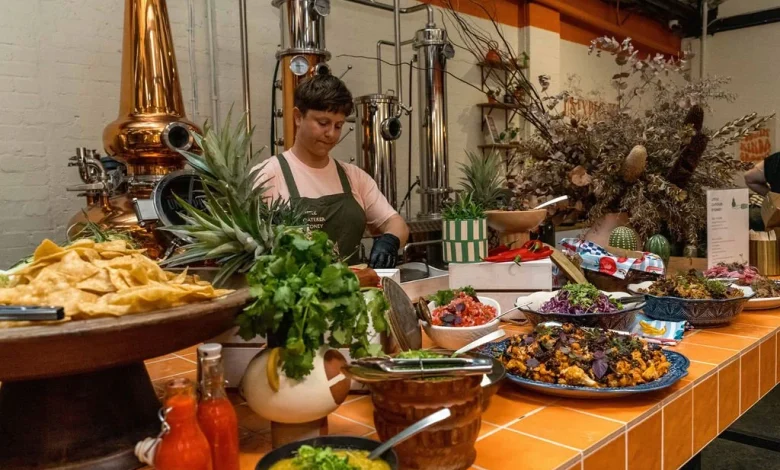
Christmas in Sydney is a summer affair. Office parties spill onto rooftops in the CBD, family lunches move out to the backyard in the Hills District, and half of Sydney seems to be heading for a beach on the Northern Beaches or in the Sutherland Shire. That heat, along with the city’s size and spread, changes how you plan food for a festive event. A menu that works in a cool, air-conditioned boardroom can fall apart at an outdoor lunch in Penrith in thirty-five-degree weather. This guide walks through summer Christmas catering for Sydney event planners and corporate teams, covering timing, seasonal NSW produce, dietary inclusivity, zero-waste events and the practical side of feeding a crowd in different parts of the city. It also looks at what you gain by working with a professional caterer rather than doing it all yourself.
Key Takeaways
- Sydney Christmas catering happens in summer, so heat, food safety and lighter menus come first.
- Book early, as December is the busiest month for caterers, and check lead times and order cut-offs.
- Plan around your region: access, travel time and temperature vary from the CBD to Western Sydney and the beaches.
- Build menus around seasonal NSW produce such as cherries, stone fruit, mangoes, prawns and summer vegetables.
- Make vegan, gluten-free and allergy-friendly dishes central, and label everything.
- Reduce waste with accurate numbers, reusable serving ware, a leftovers plan and clear bins.
Why Sydney Christmas Catering Needs Its Own Plan
Most Christmas imagery still comes from the northern hemisphere: roast dinners, snow and steaming puddings. Sydney’s version looks different. December brings long, warm evenings, high humidity and the occasional scorcher, and menus have shifted to match.
Three things set Sydney apart:
- The weather. Food sits out in warm conditions, so menu choice and food safety matter far more than they do in winter.
- The distance. Greater Sydney is huge. Getting food from a kitchen to an office in the CBD is very different from getting it to a park in the Sutherland Shire or a home in the Hills District, especially in December traffic.
- The crowd. Sydney workplaces and families are very diverse, and a festive menu now has to work for vegans, gluten-free guests and people with allergies as standard, not as an afterthought.
Getting those three right is most of the work.
When to Book: The December Rush Is Real
The biggest mistake people make is leaving catering too late. December is the busiest month of the year for Sydney caterers, with corporate parties, end-of-year school events, family gatherings and New Year’s Eve all landing in the same few weeks.
As a rough guide:
- Large corporate events: start talking to caterers in October or early November.
- Mid-sized office parties: lock in your date by mid-November.
- Family Christmas lunches and smaller gatherings: allow at least three to four weeks in December.
Popular dates, especially the Friday before Christmas and the weekend before, go first. If you are flexible on the day, a Tuesday or Wednesday lunch can open up more options.
Many Sydney caterers publish their December lead times and order cut-offs online. Flavours Catering + Events, a family-owned Sydney caterer established in 2004, recommends booking three to four weeks ahead for December orders on its Christmas Catering page, which also lists festive mains, share platters, buffets, canapés and desserts with gluten-free, vegan and dairy-free options clearly marked. Whoever you choose, ask about lead times early and note the order cut-off so you are not caught short.
Planning by Region: What Changes Across Sydney
Where your event is held affects menu choice, delivery timing and setup. Here is how planners tend to approach the main areas.
Sydney CBD
CBD Christmas parties are often held in offices, rooftop terraces or function rooms. Space is usually tight, loading docks can be busy and lifts are shared, so delivery windows need to be confirmed with building management. Canapés, grazing tables and individual boxed meals suit standing events where guests are mingling with a drink in hand. If the party is on an exposed rooftop, plan for heat and wind and choose food that stays fresh in the open air.
Western Sydney
Parramatta, Penrith, Blacktown and the surrounding suburbs are often several degrees hotter than the coast in summer. Outdoor events need shade, cold storage and menus built around chilled salads, cold meats and fresh fruit rather than rich, heavy dishes. Venues are often larger, which suits buffets and food stations for bigger corporate groups.
The Northern Beaches
Beachside parks and clubs from Manly to Palm Beach are popular for relaxed team days and family gatherings. Parking and access can be limited, so check where a delivery van can actually stop. Light, fresh food works best: prawn rolls, seafood platters, salads and plenty of fruit. Pack extra ice.
The Inner West
Newtown, Marrickville, Leichhardt and Balmain lean towards relaxed, food-focused events in warehouses, small venues and backyards. Guests here often expect interesting flavours, plant-based options and a nod to low-waste choices, so it is a good place to try share-style dishes and zero-waste ideas.
The Sutherland Shire
Cronulla and the surrounding suburbs host plenty of outdoor Christmas gatherings near the water. As with the Northern Beaches, heat, sun and access are the main planning issues. Cold mains, seafood and summer desserts suit the setting.
The Eastern Suburbs
From Bondi to Double Bay, events range from casual beach picnics to polished harbourside functions. Expectations around presentation tend to be high, and many hosts look for premium seafood, elegant canapés and well-styled grazing tables.
The Hills District
Larger homes and backyards make the Hills a hub for family Christmas lunches and small corporate gatherings. Traditional mains such as slow-roasted lamb or turkey still feature, often served alongside lighter salads. Travel times from central kitchens can be longer, so confirm delivery windows and how hot food will be kept warm on the way.
Building a Menu Around Seasonal NSW Produce
December is a great time to eat in New South Wales, and seasonal produce makes a menu fresher, tastier and usually better value.
Summer favourites include:
- Cherries from orchards around Young and Orange, ideal for desserts and grazing boards.
- Stone fruit such as peaches, nectarines and apricots.
- Berries, perfect for topping a pavlova.
- Mangoes, a must for many Australians at Christmas.
- Seafood, especially prawns and oysters, which feature on many Sydney Christmas tables.
- Summer vegetables such as tomatoes, zucchini, capsicum, corn and fresh herbs for salads.
A good caterer will build around what is fresh rather than fighting the season. Expect platters with chilled prawns, salads with grilled capsicum and corn, cold-sliced meats, and desserts topped with summer fruit.
Hot or cold?
Many Sydney Christmas menus now mix the two. A warm centrepiece such as slow-roasted lamb, braised beef or sliced turkey still feels festive, but it works best when surrounded by cold salads, seafood and fruit. For outdoor or very hot days, consider leaning almost entirely on cold dishes.
Dietary Inclusivity Is Now Standard
A few years ago, a single vegetarian option was considered enough. That is no longer the case in Sydney. At a typical corporate party, it is now common to have guests who are vegan, gluten-free, dairy-free or managing allergies, alongside guests with religious or cultural dietary needs.
A few tips for getting it right:
- Ask early. Send a short dietary survey with the invitation, then pass the numbers to your caterer at least a week before.
- Make inclusive dishes the main event. A beautiful vegan salad or roasted vegetable dish that everyone wants to eat is better than a sad plate kept aside for one person.
- Label everything. Clear signs on buffets and platters help guests choose confidently and reduce questions on the day.
- Separate where needed. For allergies, ask your caterer how cross-contamination is managed and whether separate serving utensils are used.
Professional caterers handle this every week and can usually suggest menus that suit mixed groups without anyone feeling left out.
Planning a Zero-Waste Christmas Event
Cutting waste is now a standard expectation for many Sydney businesses and families, and Christmas is one of the most wasteful times of the year. A few changes make a big difference.
Order the right amount
Over-catering is the biggest source of waste. Give your caterer accurate numbers, account for no-shows, and remember that guests eat less in hot weather. A good caterer will help you get portions right rather than simply selling you more.
Choose reusable serving ware
Ask about platters, cutlery and glassware that can be collected and washed rather than thrown away. If disposables are needed, look for compostable options.
Plan for leftovers
Agree in advance what happens to leftover food. Safe leftovers can be packed for staff to take home, and some organisations work with food rescue charities. Check food safety rules before redistributing anything that has been sitting out.
Sort the bins
Set up clearly labelled bins for compost, recycling and general waste so guests can sort as they go.
Food Safety in the Summer Heat
Sydney summers are tough on food, and Christmas events often run for hours. The NSW Food Authority’s general guidance is to keep cold food at 5°C or below and hot food at 60°C or above, and to limit how long food sits in the temperature danger zone between those points.
Practical steps:
- Keep cold platters in the fridge or on ice until just before serving.
- Serve smaller platters and replace them, rather than putting everything out at once.
- Keep food in the shade and away from direct sun.
- Use covers to keep insects off.
- Ask your caterer how they transport hot and cold food and how long it can safely be left out.
Seafood, dairy-based desserts and anything with mayonnaise need extra care.
Why Use a Professional Caterer?
Plenty of small Christmas gatherings are catered at home, and that is part of the fun. For corporate events and larger family gatherings, though, a professional caterer brings real benefits.
- Time. Planning, shopping, cooking, transport and clean-up for fifty people can take days. A caterer handles most of it.
- Food safety. Professional kitchens manage temperature, storage and transport properly, which matters in summer.
- Dietary know-how. Caterers are used to inclusive menus and allergy management.
- Scale. Getting quantities right for large groups is easier with experience.
- Presentation. Grazing tables, canapés and plated meals look better when they are styled by people who do it every day.
- Extras. Many caterers also offer drinks packages, staff, equipment hire and setup, which simplifies organising.
The key is to treat your caterer as a partner. Share the budget, numbers, dietary needs, venue details and the kind of atmosphere you want, and let them suggest what will work.
A Quick Planning Checklist
- Confirm the date, venue and guest numbers.
- Book your caterer early, especially for December.
- Check access, parking and delivery windows for your venue.
- Collect dietary requirements with the invitations.
- Build the menu around seasonal NSW produce and the weather.
- Plan for shade, ice and safe food handling.
- Agree on serving ware, waste sorting and leftovers.
- Confirm final numbers with your caterer a week out.
An Example: A Corporate Party in Parramatta
A Parramatta-based finance firm wanted an outdoor Christmas lunch for eighty staff at a riverside venue in mid-December. The forecast was thirty-four degrees.
The organiser booked a caterer in early November, ran a dietary survey with the invitation, and found that twelve guests were vegetarian or vegan and six were gluten-free. The menu was built around cold seafood platters, a sliced turkey breast served at room temperature, three summer salads using seasonal capsicum, corn and tomatoes, and a mango and berry pavlova. Vegan and gluten-free dishes were labelled and placed first on the buffet.
The caterer brought shade structures and ice, and served the food in smaller rounds so nothing sat out for long. Leftovers were packed into compostable containers for staff to take home, and waste was sorted into compost and recycling bins on site. The organiser said afterwards that the biggest difference from previous years was that nobody spent the afternoon worrying about the food.
Frequently Asked Questions
How far in advance should I book Christmas catering in Sydney?
For December events, allow at least three to four weeks. For large corporate parties, start talking to caterers in October or early November.
What food works best for a summer Christmas party?
Cold seafood, salads, cold-sliced meats, fresh fruit and light desserts such as pavlova. A warm centrepiece can still work if it is surrounded by cold dishes.
How do I cater for vegan and gluten-free guests?
Collect dietary requirements early, ask your caterer for inclusive dishes that everyone will enjoy, and label every dish clearly.
How can I make a Christmas event more eco-friendly?
Order accurate quantities, use reusable or compostable serving ware, plan what happens to leftovers, and set up labelled bins for compost and recycling.
Is food safety a bigger issue at Sydney Christmas events?
Yes, because of the heat. Keep cold food chilled, hot food hot, serve in smaller rounds, and keep everything shaded and covered.